

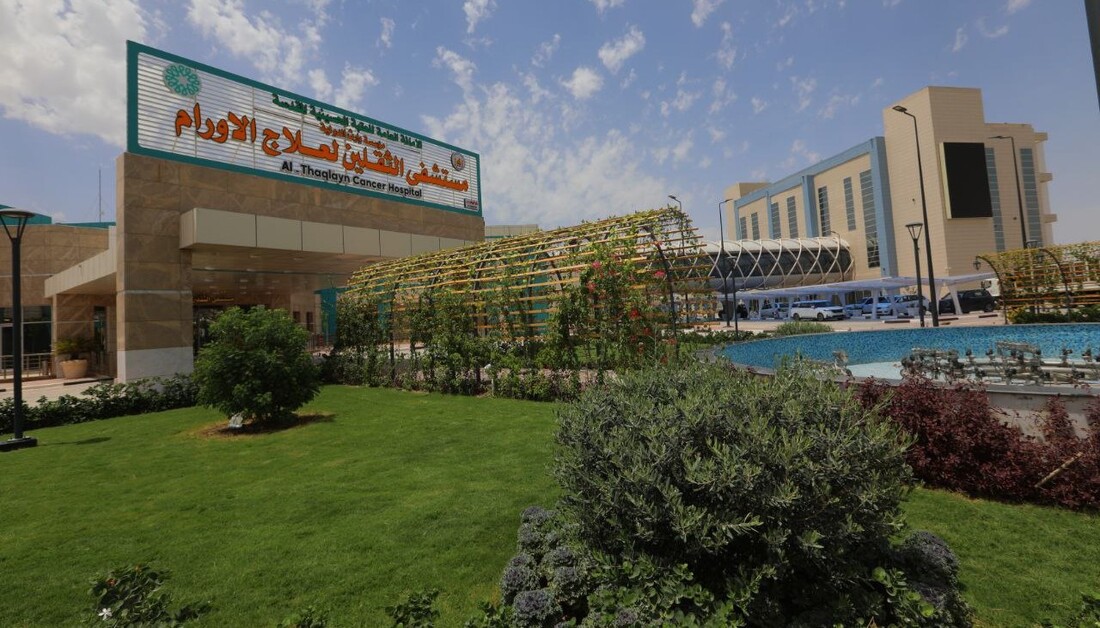
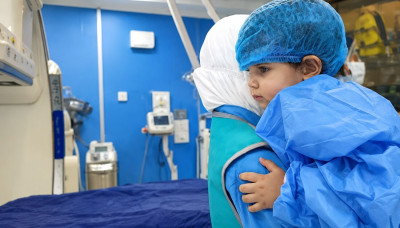
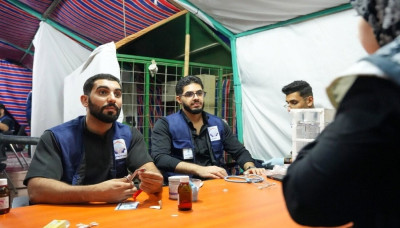
The Health and Medical Education Authority at the Imam Hussain Holy Shrine announced the extension of the free treatment period at Al-Thaqalayn Cancer Hospital in Basra for an additional two months, starting from the beginning of 2026 until the start of March. The decision comes in accordance with the directive of the Representative of the Supreme Religious Authority, Sheikh Abdul Mahdi Al-Karbalaei, in response to humanitarian appeals from the residents of the province, and as part of the continued approach to providing free healthcare and humanitarian support to cancer patients.
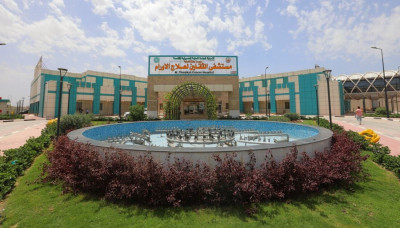
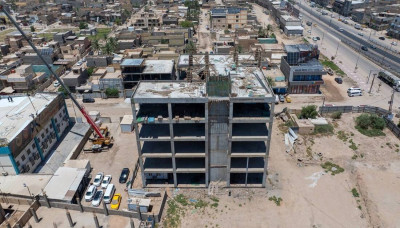
The head of the Authority, Dr. Haider Al-Abadi, said in a statement to the official website that “Al-Thaqalayn Cancer Hospital in Basra, which began operations on 20/5/2024, is the first branch of the Warith International Foundation outside the holy city of Karbala. Since its opening, it was decided that the Imam Hussain Holy Shrine would bear all treatment costs for patients for a full year at its own expense, in support of the people of Basra and to ease the burden on underprivileged families.”
He added that “the free treatment period was extended more than once during the previous phase in response to appeals from the people of Basra and was scheduled to end at the close of 2025. However, the directive of the Representative of the Supreme Religious Authority, Sheikh Abdul Mahdi Al-Karbalaei, called for extending it once again for two months, starting from the beginning of 2026 until the start of March of the same year, reaffirming the continuation of the humanitarian and service-oriented approach adopted by the Imam Hussain Holy Shrine in the healthcare sector.”
Al-Thaqalayn Cancer Hospital in Basra is considered one of the leading medical projects established by the Imam Hussain Holy Shrine, aimed at expanding the scope of free healthcare services to include the southern provinces and strengthening the presence of the Shrine’s medical institutions in the humanitarian and medical fields across Iraq.

اترك تعليق