


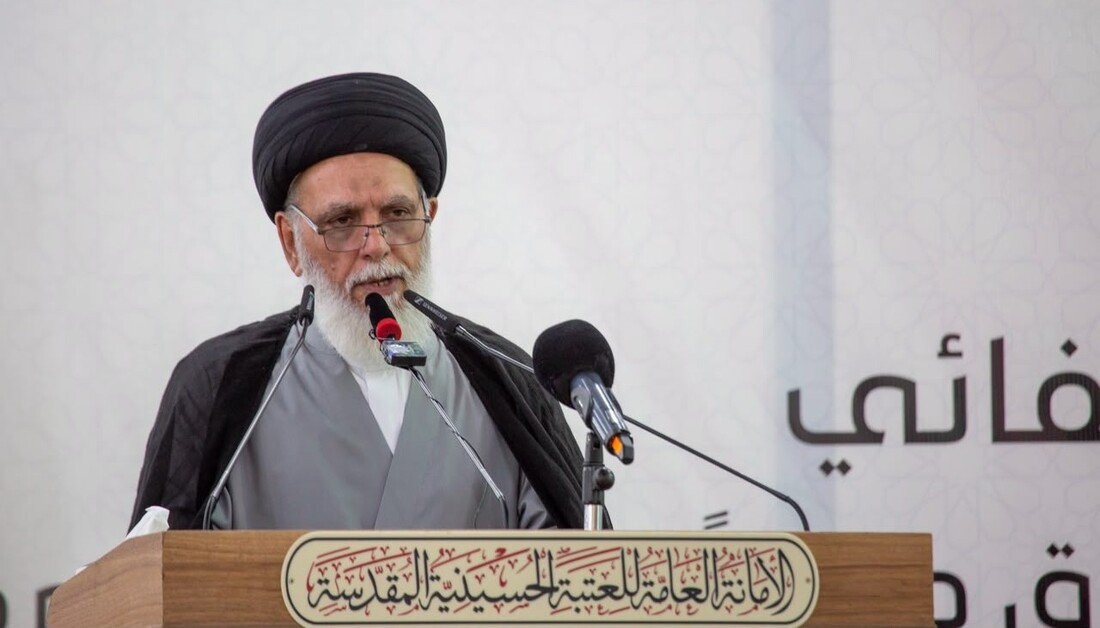
Hawza professor Sayyid Ahmed Al-Ishkori affirmed that the Fatwa of Sufficient Defense issued by the Supreme Religious Authority, Grand Ayatollah Sayyid Ali Al-Husseini Al-Sistani, was not merely a response to a security circumstance or an emergency military event. Rather, it represented a profound historical and intellectual transformation that embodied the relationship between the nation and its religious authority and contributed to protecting Iraq and humanity from the most dangerous extremist project that targeted religion, human life, and the homeland.
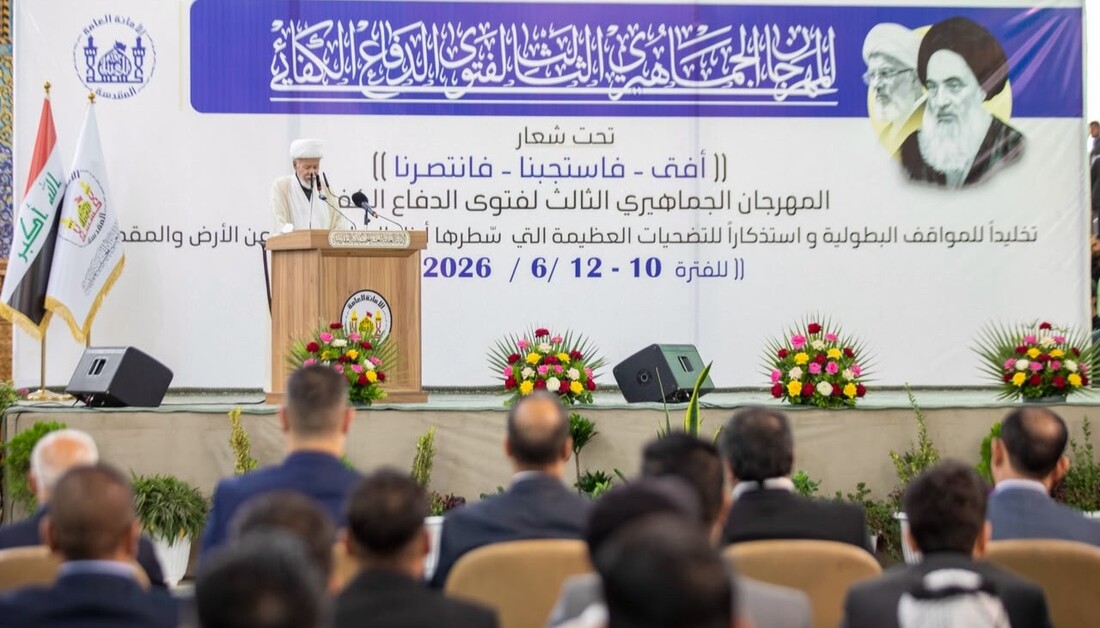
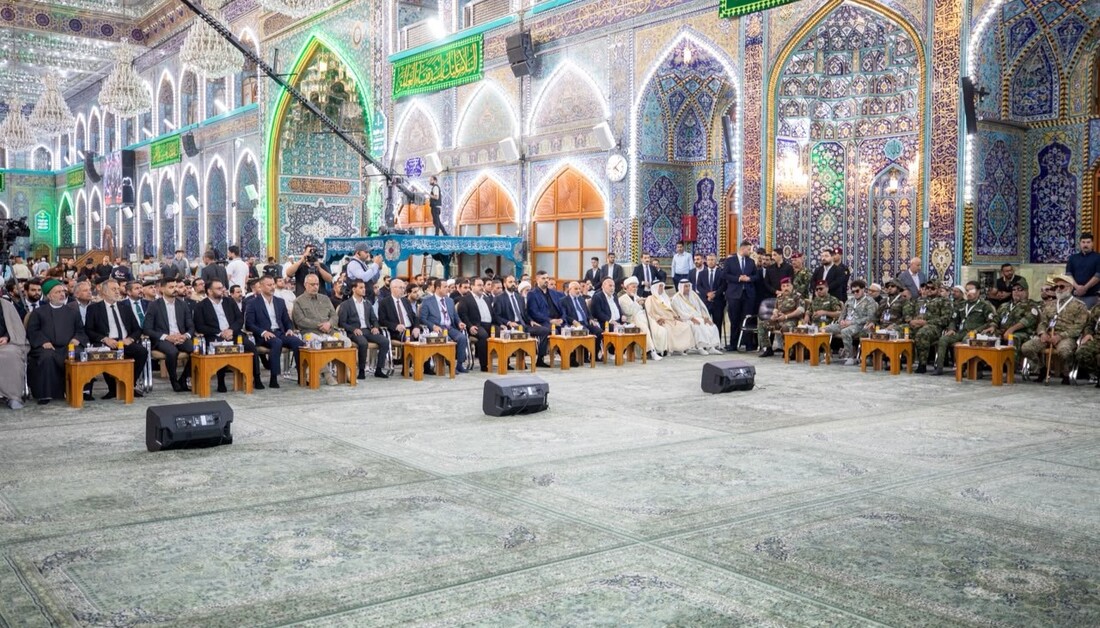
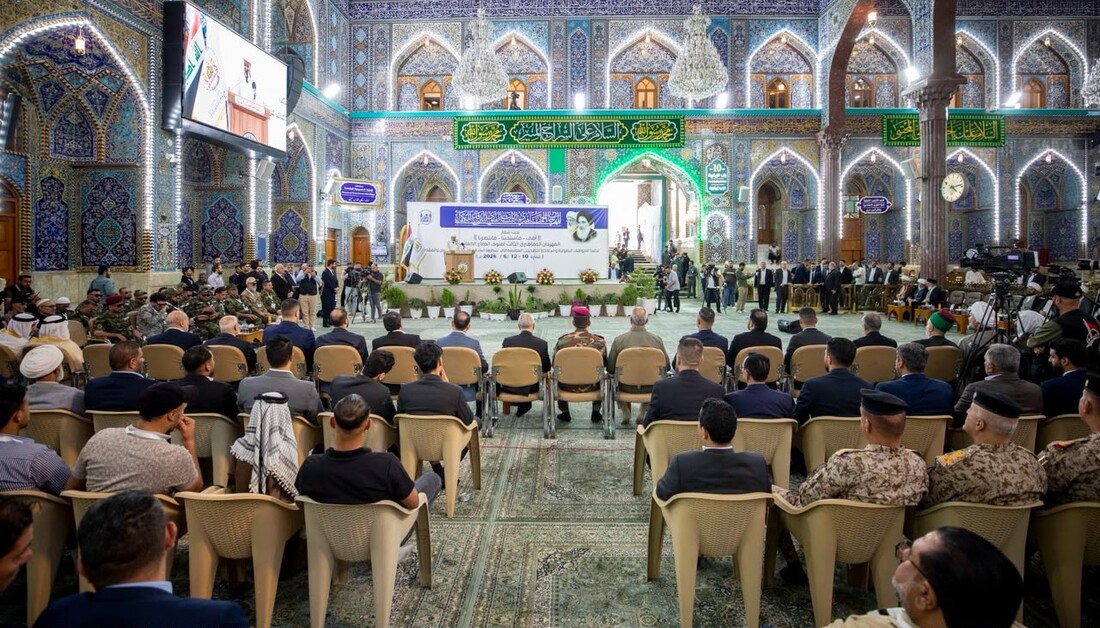
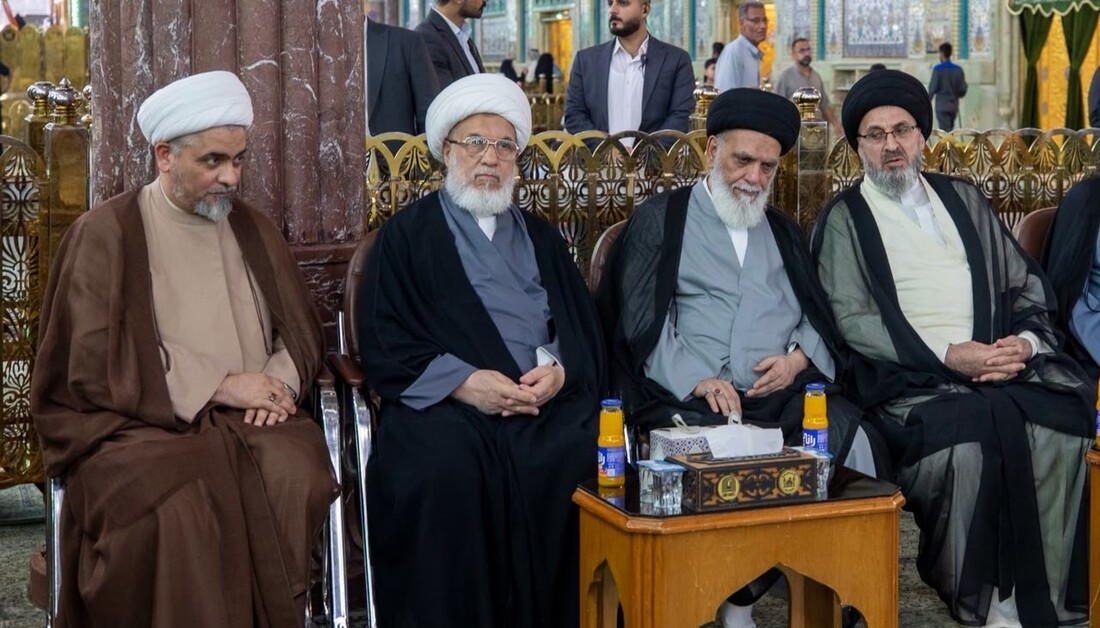
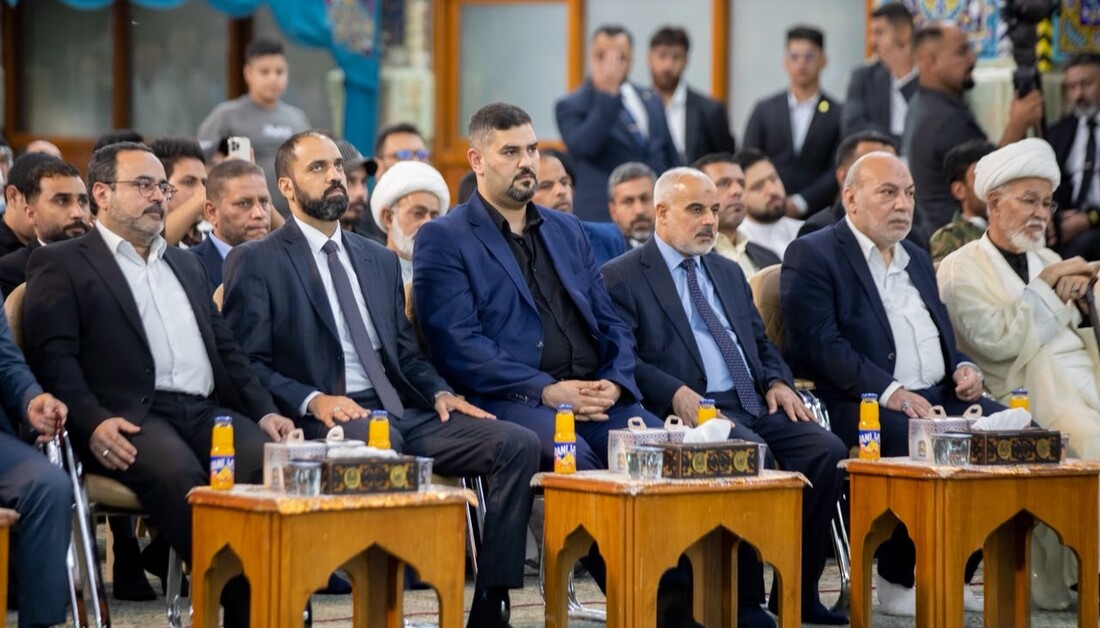
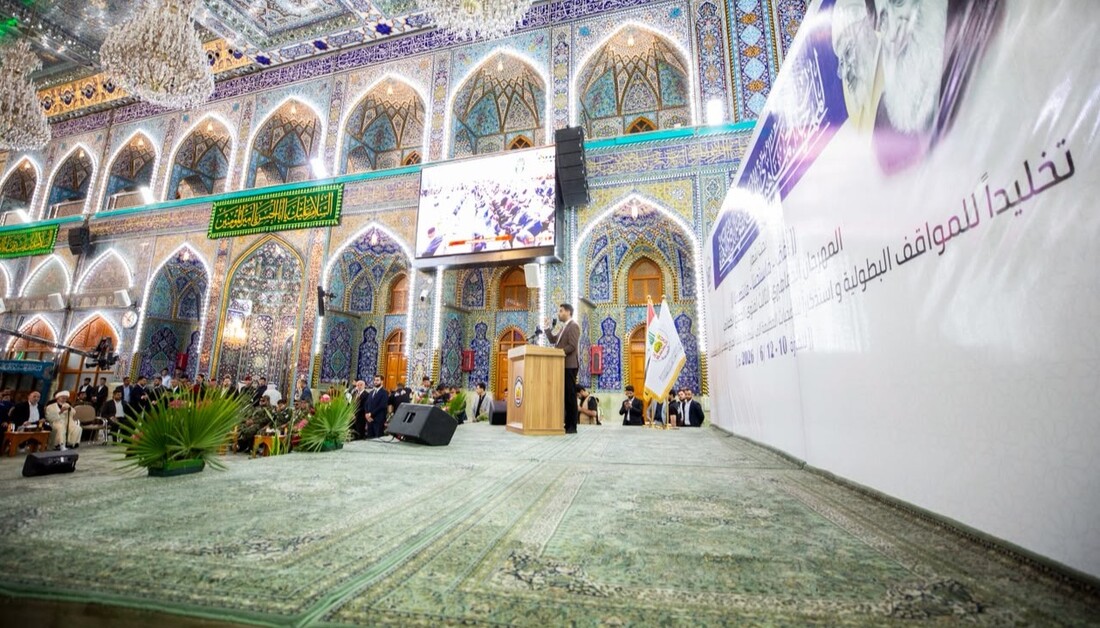
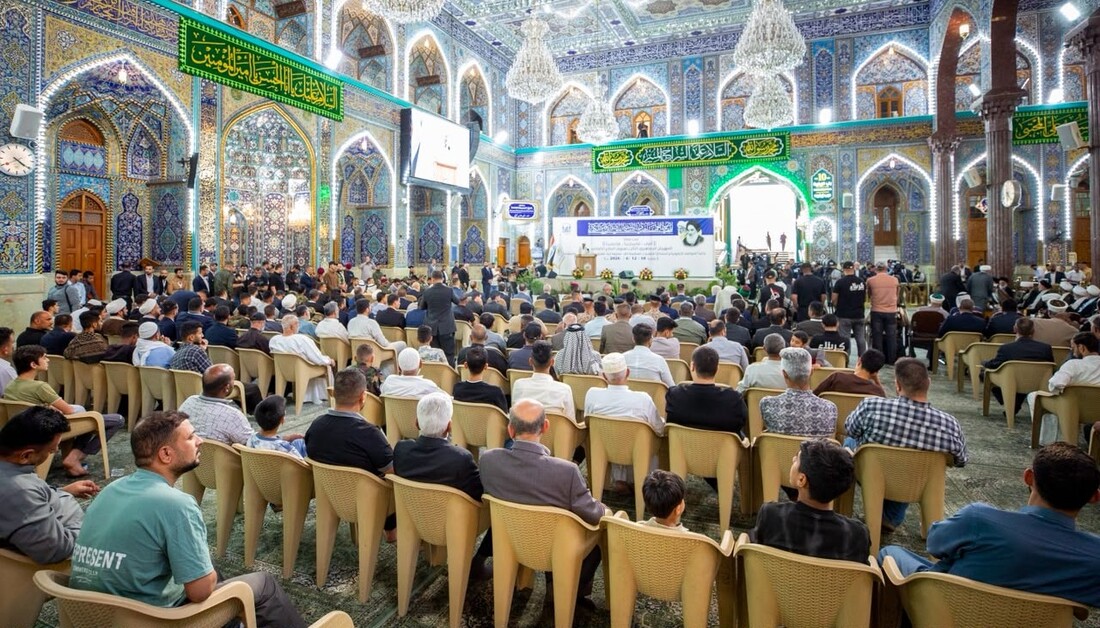
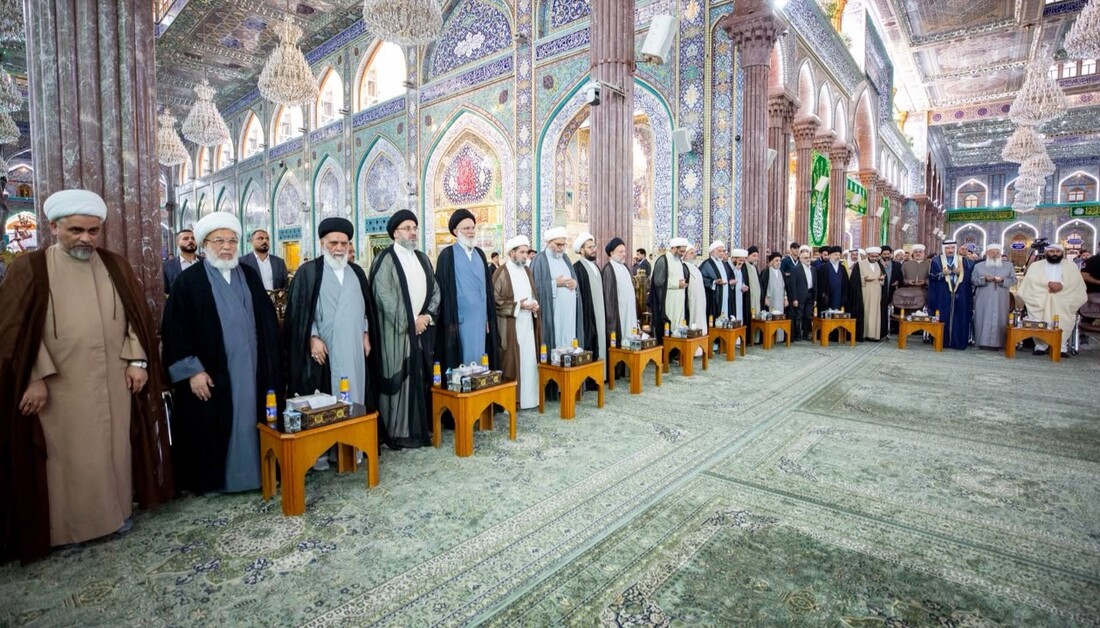
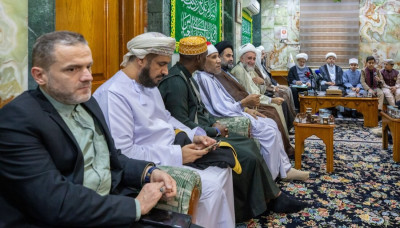
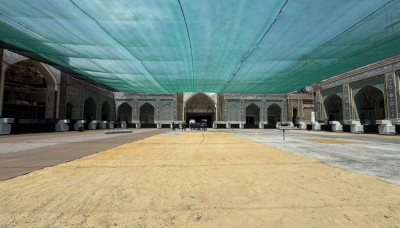
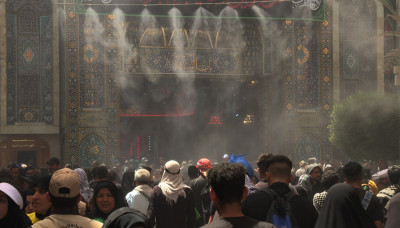
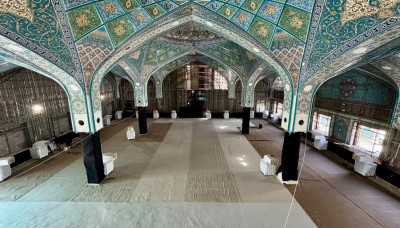
His remarks came during a speech delivered at the launch of the Third Public Festival of the Sacred Defense Fatwa at the Holy Husayni Shrine, organized by the Imam Hussain Holy Shrine and attended by the representative of the Supreme Religious Authority, Sheikh Abdul Mahdi Al-Karbalaei, along with a number of Hawza scholars, academics, and cultural figures.
Sayyid Ahmed Al-Ishkori stated that "studying the event of the Sacred Defense from a specialized Hawza perspective reveals that it represents a comprehensive reading of the jurisprudential, doctrinal, and theological framework of contemporary social action." He explained that "the blessed Fatwa evolved from a legal ruling into a civilizational and value-based project that contributed to preserving human existence and protecting society from the dangers of collapse and fragmentation."
He noted that "Iraq and the Islamic world, during the expansion of the ISIS extremist terrorist groups, faced the most dangerous destructive ideological project aimed at undermining the essential foundations of religion, life, and nation, relying on exclusionary ideology, systematic brutality, strategies of intimidation and terror, and targeting holy sites, the Hawza, and the Supreme Religious Authority."
He added that "the Supreme Religious Authority demonstrated exceptional jurisprudential insight and objectivity during that sensitive period. When political and international balances were shaken and the state reached the brink of collapse, it issued the Fatwa of Sufficient Defense, which restored balance to the nation and activated the spirit of responsibility and religious duty." He stressed that "the Hawza in Najaf Al-Ashraf once again proved that it is the intellectual and existential extension of the path of the Prophets and the Pure Imams (peace be upon them), and that it has never been a school of isolation but rather a fortress for the nation and a center for producing mission-oriented awareness."
He continued by saying that "a scholarly reading of the Fatwa reveals its foundation upon firmly established religious principles and strong jurisprudential evidence derived from the Quran, Sunnah, reason, and consensus." He pointed out that "the legitimacy of defensive jihad is among the established jurisprudential principles unanimously agreed upon by Muslim scholars and is based on several major legal principles, including preserving public order, the obligation to prevent grave harm, the principle of denying domination, and the principle of prioritizing the more important over the important in cases of conflict."
He explained that "the Fatwa was also based on rational and humanitarian principles that recognize the right to legitimate self-defense and the defense of society. The message of the Religious Authority was not directed at a specific group or sect but was a defense of all components of the Iraqi people, including Muslims, Christians, Yazidis, Sabeans, and others, based on the principle of human justice advocated by The Commander of the Faithful, Imam Ali ibn Abi Talib (peace be upon him)."
He added that "one of the most prominent allegations raised against the Fatwa was the accusation of sectarianism, which contradicts the content of the Religious Authority’s statements and directives that emphasized protecting the lives, wealth, and property of all Iraqis regardless of their religious or sectarian affiliations." He also refuted claims regarding the militarization of society, noting that "the Fatwa was issued at a time when the state was facing serious existential challenges and contributed to organizing popular energies under the umbrella of law and the legitimate religious authority to support the security forces and preserve the country’s stability. It was not a cause of the spread of uncontrolled weapons as some have claimed."
He pointed out that "the practical conduct of the Supreme Religious Authority proved the falsehood of claims regarding the political exploitation of the Fatwa, as the Religious Authority did not seek any political gains or privileges. Rather, it remained committed to the state, the rule of law, and the preservation of Iraq’s unity." He noted that intellectual and cultural dangers still exist and that confronting terrorism is no longer limited to the military dimension but has moved into the fields of awareness, thought, and culture, requiring continued efforts to protect society from intellectual deviations and soft warfare.
He emphasized that "among the most significant strategic outcomes achieved by the blessed Fatwa were the protection of holy sites and borders, the prevention of extremist ideology from spreading, the strengthening of the position of the Religious Authority as a safety valve for the nation, the thwarting of division and external targeting projects, and the promotion of insight, awareness, and faith, which contributed to achieving victory."
He stressed that "the current responsibility of Hawzas, academic institutions, and cultural elites is to move from the stage of documenting the epic of Sacred Defense to the stage of institutionalizing the values of the Fatwa and establishing them intellectually, culturally, and educationally, in a way that protects future generations from intellectual infiltration, cultural alienation, and the distortion of historical facts."
He further highlighted "the necessity of adhering to a number of fundamental constants, foremost among them preserving the nation’s awareness, strengthening the connection with the wise Religious Authority, remaining loyal to the families of martyrs, the wounded, and those who made sacrifices, confronting misconceptions and intellectual deviations, and safeguarding the value-based and doctrinal legacy produced by the Sacred Defense Fatwa."
Concluding his speech, he said, "We remember the sacrifices of the martyrs of the blessed Fatwa who gave their lives in defense of the homeland and the holy sites. We also express the highest sentiments of loyalty and appreciation to our Supreme Religious Authority, represented by Grand Ayatollah Sayyid Ali Al-Husseini Al-Sistani. We further commend the blessed role undertaken by the Imam Hussain Holy Shrine, its Legal Custodian Sheikh Abdul Mahdi Al-Karbalaei, and the Secretary-General of the Imam Hussain Holy Shrine in organizing the Third Public Festival of the Sacred Defense Fatwa and commemorating its enduring national and humanitarian legacy."
Attachments




اترك تعليق