


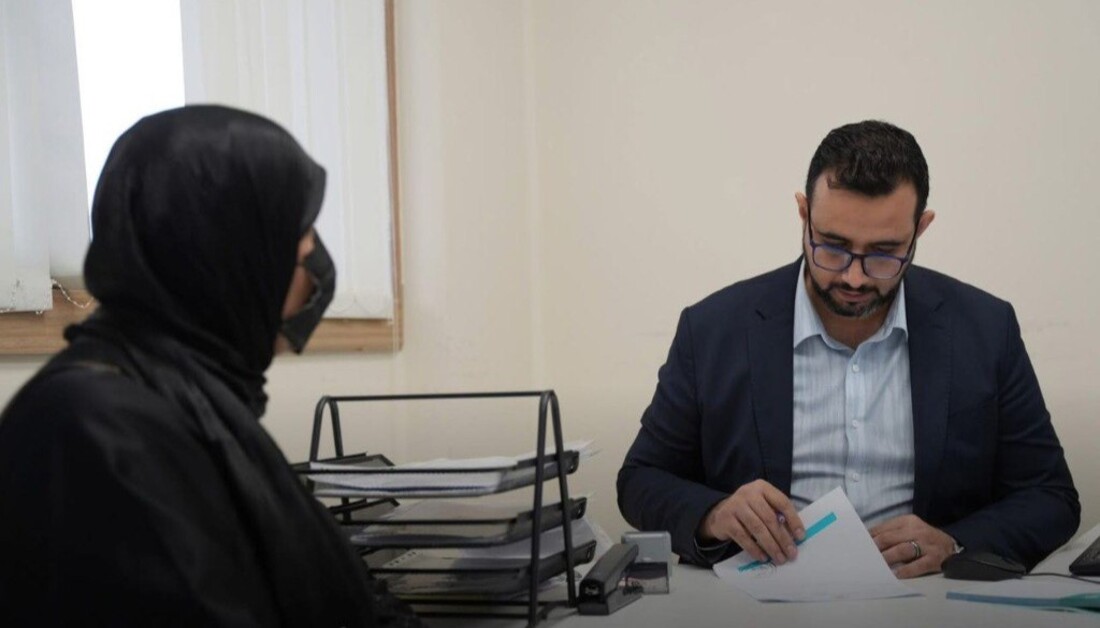
On a heavy morning in Basra, “Rabab,” a mathematics teacher with a limited income, set her bag aside and sat in front of a new test report. She feared not the result itself as much as what would follow. Every number in the report signified another drain on her health and on her modest salary, which barely covered her family obligations.
Rabab says, “The illness itself was not the only battle, but also the feeling that a patient might be left alone in their most difficult moments. I used to calculate the cost of every test before thinking about my own body.”
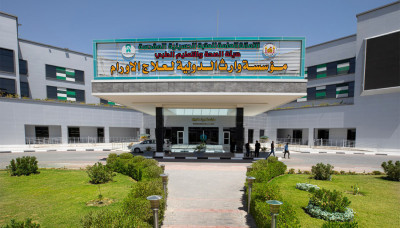
A long journey of anxiety and waiting came to an end at the gates of the Al-Thaqalain Hospital for Cancer Treatment in Basra, affiliated with the Health and Medical Education Authority of the Imam Hussain Holy Shrine. There, as she describes, the entire situation changed.
From the very first moment, the reception was not a routine administrative step but the beginning of a treatment journey managed with both medical and humanitarian principles. The nursing staff explained procedures before beginning, doctors listened before making decisions, and the treatment plan was built around the patient’s condition rather than a rigid template.
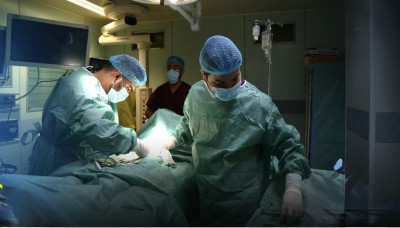
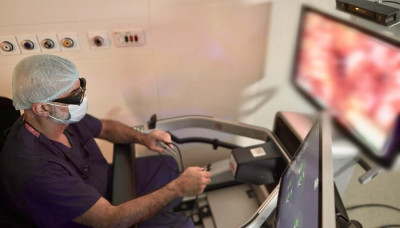
Rabab began chemotherapy, but her body could not tolerate the full doses. Instead of continuing under a conventional protocol, the treatment plan was carefully adjusted according to her physiological response. She later underwent a precise surgical procedure in operating rooms equipped with the latest technologies, under the supervision of a specialized oncology surgery team. She left reassured, saying, “I knew the decision had been carefully studied, and that those inside knew exactly what they were doing and why.”
The days were not easy, there was bleeding, exhaustion, and temporary complications. Yet the difference, she says, was that no one left her to face these challenges alone. Every stage was explained, every side effect monitored, and every question answered calmly.
The hospital, established to serve as an integrated specialized center for cancer treatment in southern Iraq, operates a completely free treatment system for patients. This comes within a humanitarian vision adopted by the Imam Hussain Holy Shrine to provide advanced care without financial burdens. The hospital offers not only chemotherapy and surgical treatment, but also early diagnostic services, continuous follow-up, and specialized nursing support.
For Rabab, it was not simply about receiving treatment free of charge, but about restoring her dignity as a patient. “My salary is modest and my responsibilities are many. If the treatment had not been free, I would not have been able to continue. Here, I did not feel like I was asking for help; I felt that I was receiving my right.”
At Al-Thaqalain Hospital for Cancer Treatment in Basra, affiliated with the Health and Medical Education Authority of the Imam Hussain Holy Shrine, as Rabab summarizes her experience, treatment may come at no cost, but the real value lies in the care delivered with awareness and in the humanity that comes before the medicine.

اترك تعليق