


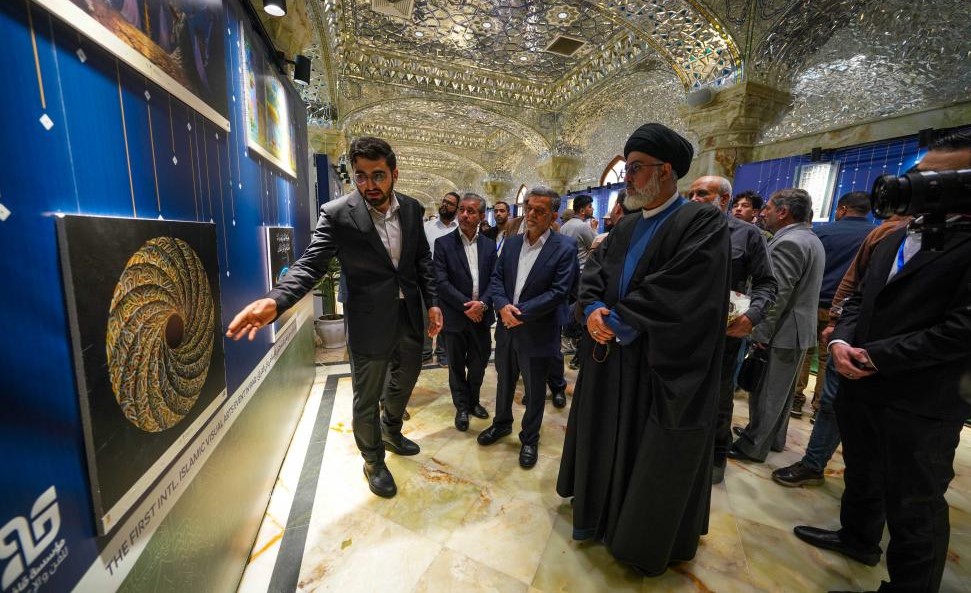
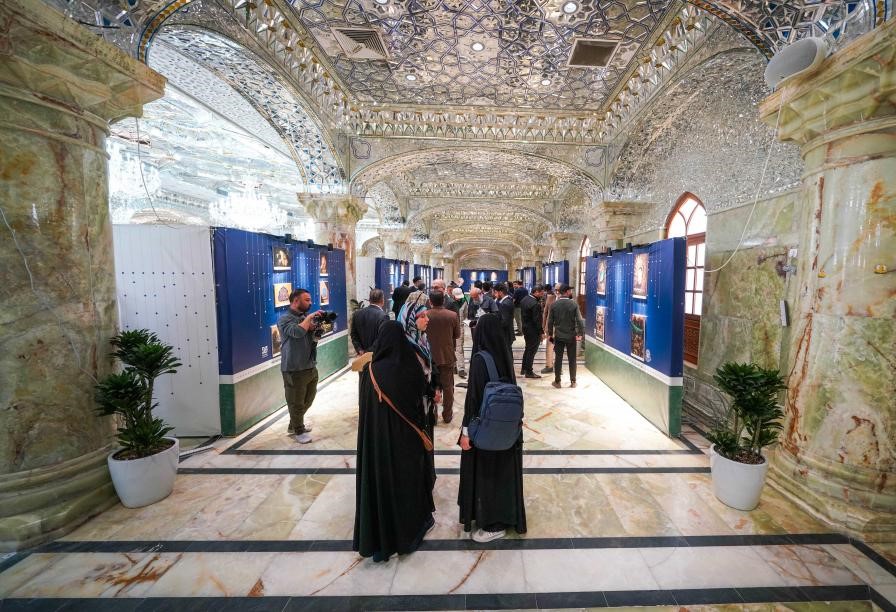
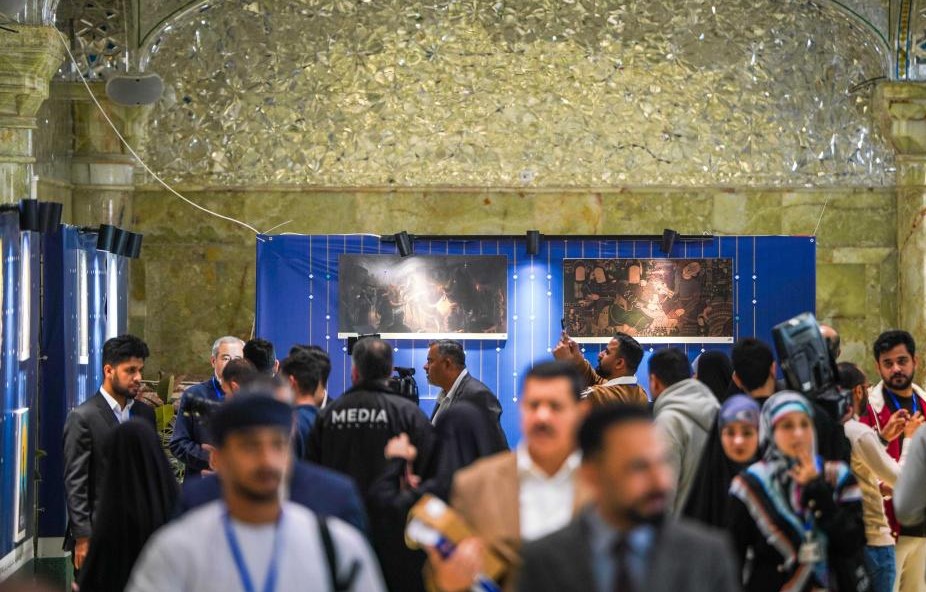
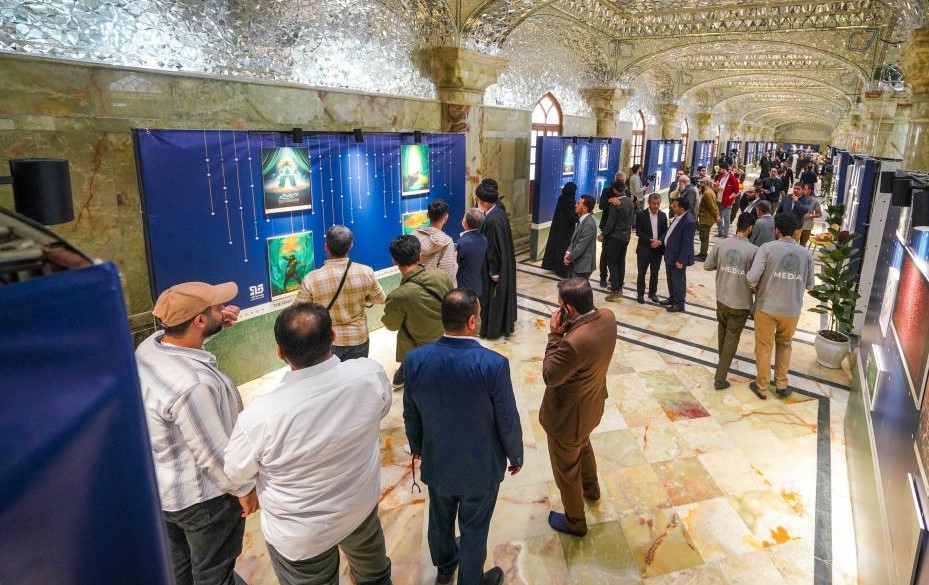
The Imam Ali Holy Shrine hosted a visual arts event inspired by the “Philosophy of Waiting” embodied in Islamic art, bringing together 60 artists from 14 countries representing diverse cultures. The exhibition drew on the shrine’s global influence in promoting purposeful art and its spiritual significance, while utilizing visual arts to communicate shared humanitarian messages among people.
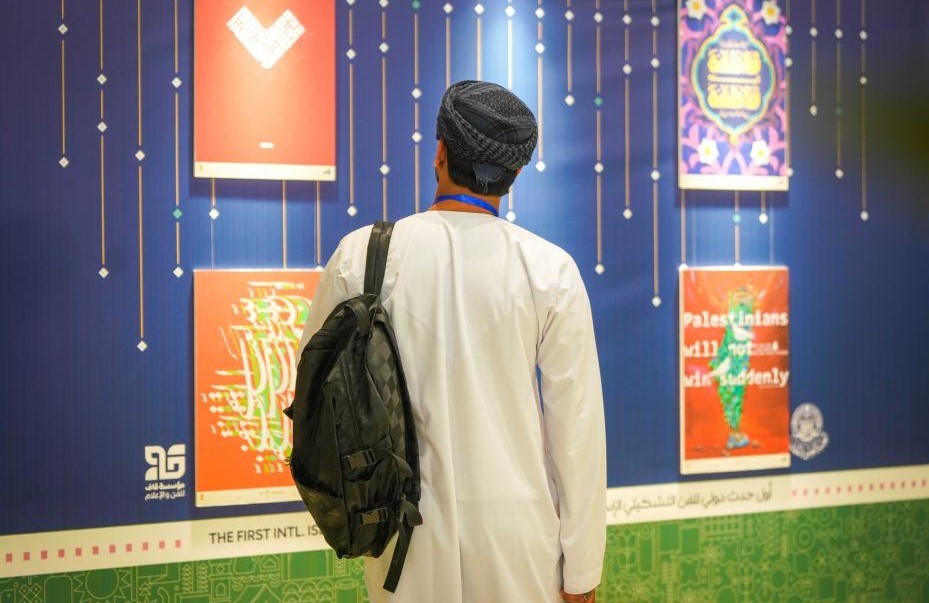
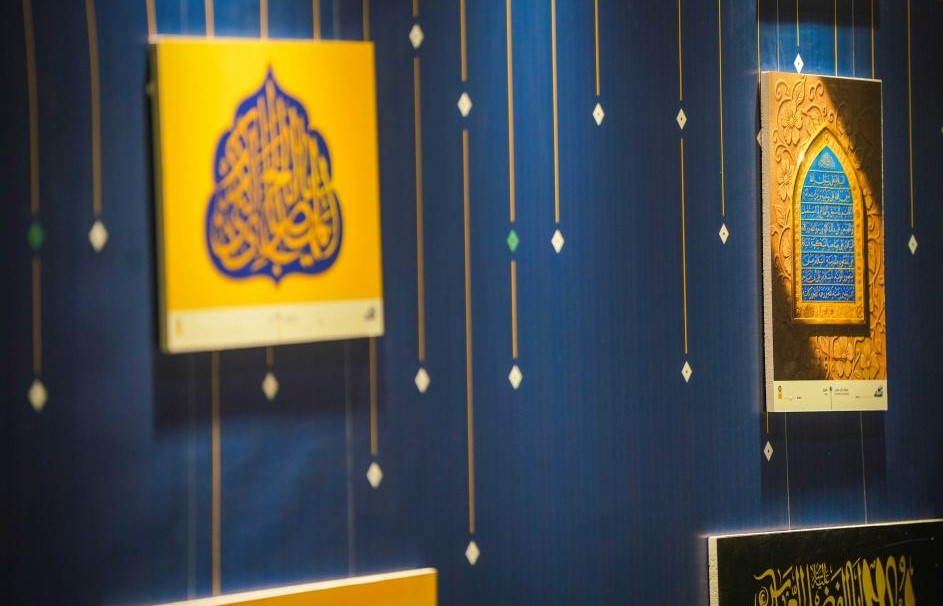
According to the shrine’s official website, “this international gathering includes a diverse collection of artistic works, including paintings, contemporary designs, classical and digital art, and calligraphy manuscripts, in a scene where the languages and cultures of the world converge to reflect the message of unity among peoples in anticipation of Imam Mahdi (peace be upon him).”
In a statement, the Director of the Imam Al-Hasan Center for Specialized Studies, His Eminence Sayyid Kazem Al-Kharsan, affirmed that “the exhibition represents a unifying message for diverse cultures and the unity of peoples in anticipation of Imam Mahdi (peace be upon him), as well as a shared humanitarian vision expressing the concept of waiting as a spiritual value that transcends borders.”
For his part, the Head of the Antiquities and Heritage Unit at the shrine, Dr. Abdul Hadi Al-Ibrahimi, stressed “the importance of art as a means of communication and shared sentiment among cultures,” praising the role of religion in guiding artists toward deeper artistic meanings. He added that “the event contributes to enhancing the global image of Islamic art and opens new channels of communication with the outside world.”
Meanwhile, the President of Qaf Foundation for Art and Media stated that “the participating artists serve as ambassadors of their countries in this artistic forum and come from multiple religions,” noting that several of them are visiting Iraq and Najaf Al-Ashraf for the first time, including participants from China and Brazil, highlighting the event’s global presence and its inclusive cultural message.
Attachments

اترك تعليق