

The Human Resources Development Department at the Imam Hussain Holy Shrine has launched a package of cultural, intellectual, and interactive programs as part of its plan for the Arbaeen pilgrimage of Imam Hussain (PBUH). The initiatives aim to strengthen knowledge, reinforce Hussaini values, and transform the impact of the pilgrimage into lasting positive behavior within society.
Speaking to the official website, the Head of the Department, Mohammed Al-Kinani, said, "The Human Resources Development Department at the Imam Hussain Holy Shrine has launched a package of cultural, intellectual, and interactive programs as part of its plan for the Arbaeen pilgrimage of Imam Hussain (PBUH), with the aim of enhancing knowledge, reinforcing Hussaini values, and turning the impact of the pilgrimage into sustainable practical behavior in society."
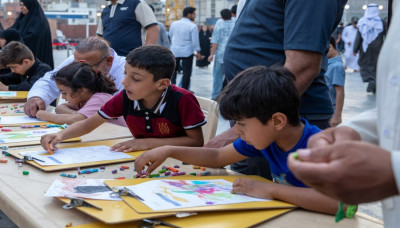
He explained that "the plan includes a variety of cultural and educational programs during the Arbaeen pilgrimage. This year's program has been expanded and updated with new activities that align with the needs of pilgrims and support the Imam Hussain Holy Shrine's mission of promoting the culture of Ahlul Bayt (P)."
He added that "the plan includes conducting field and online surveys to measure pilgrims' opinions from (12) to (15) Safar, in cooperation with the Media Department at the Imam Hussain Holy Shrine. It also continues the operation of cultural and educational pilgrim stations along the Najaf, Babylon, and Baghdad routes, which are among the department's flagship annual initiatives."
He further stated that "the department will offer a virtual reality (VR) experience depicting the events of the Battle of Al-Taff, helping deepen pilgrims' emotional and intellectual connection while commemorating the sacrifices of Imam Hussain (PBUH) and his family. The program also includes educational competitions covering the blessed biography, the Holy Quran, general knowledge, and national identity."
He noted that "the department has enhanced its educational content by adopting (10) focused knowledge models instead of the (20) models used in previous years, allowing greater benefit for pilgrims while concentrating on the most important topics."
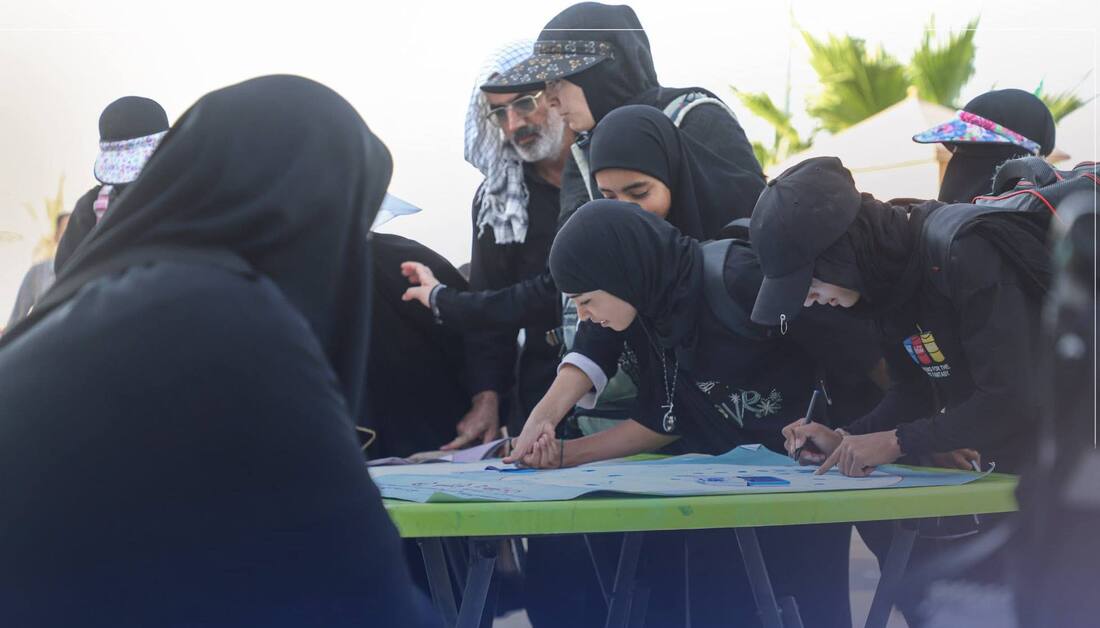
He explained that "the plan also introduces several new interactive initiatives, including the 'Hussaini Values Tree,' which gives pilgrims the opportunity to select the value they believe society needs most, while renewing their commitment to uphold it and translate it into practical behavior after the pilgrimage."
He continued that "another new initiative is the 'Hussaini Pilgrim Passport,' an interactive program through which pilgrims collect stamps by participating in various activities at the cultural stations, ultimately documenting their commitment to applying one of the community values after the pilgrimage through an electronic platform, thereby reinforcing the long-term educational impact of the visit."
He added that "the department has also prepared other specialized programs, including the 'Repentance Card,' aimed at promoting self-reflection; 'A Letter to Imam Hussain (PBUH),' which allows pilgrims to express their feelings and loyalty; and the 'After the Pilgrimage' card, encouraging pilgrims to adopt a community value and practice it so they become ambassadors of Hussaini values within their communities."
He emphasized that "these activities are implemented at the Imam Hussain Holy Shrine's cultural stations located at the entrances to the holy city of Karbala. The department has organized these stations continuously since (2013), attracting large numbers of Iraqi and international pilgrims. Several of the programs are offered in Arabic, English, and Persian, helping convey the humanitarian message of Imam Hussain (PBUH) to people of different nationalities."
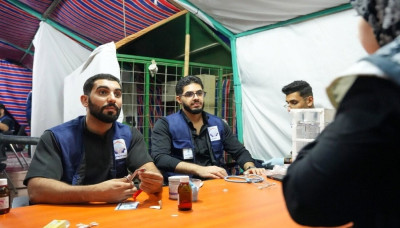
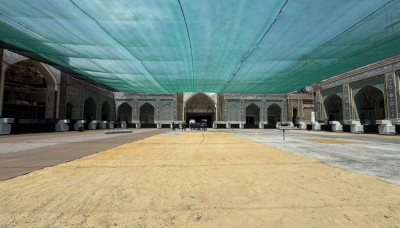
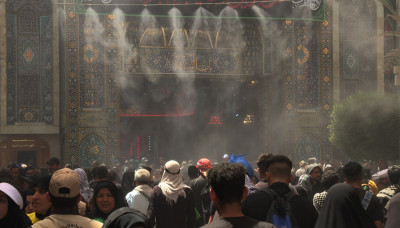
The Imam Hussain Holy Shrine continues implementing its comprehensive Arbaeen plan by mobilizing all of its service, medical, engineering, organizational, and media departments and institutions, while deploying its human and logistical resources along the various routes leading to the holy city of Karbala and the border crossings. The effort aims to provide the best possible services for pilgrims arriving from within Iraq and abroad, helping facilitate the pilgrimage and ensuring the occasion is observed in a safe and well-organized environment.

اترك تعليق